Editor’s note: This is the second of four op-ed pieces about child sexual abuse prevention education in Kansas.
I became a trained forensic interviewer in 2013, and that work changed the way I think about quality.
When a child is telling an adult something difficult, good intentions are not enough. The words we choose matter.
The questions we ask matter. The questions we do not ask matter. Training matters. Preparation matters. What happens after that conversation matters.
I carried those lessons with me through years of direct service as a forensic interviewer and CAC program director, and I carry them with me now as I think about what Kansas should expect from child sexual abuse prevention education.
There are some ideas almost everyone can agree on.
Children deserve to be safe. Adults should know how to recognize signs of abuse. Children should know they can talk to trusted adults when something is wrong.
The harder questions begin when we ask what effective prevention actually looks like.
That is where quality matters.
Over the past several months, I have spent considerable time thinking about not whether Kansas should provide prevention education, but what standards should accompany it.
Because good intentions alone are not a quality standard.
Research gives us useful direction. A recent meta-analysis examining 26 randomized and quasi-experimental studies involving more than 13,000 young people found that school-based child sexual abuse prevention programs can improve children’s knowledge and protective attitudes and behaviors. It also found that characteristics such as program length and educational level matter and called for greater standardization and long-term evaluation. Earlier research similarly found stronger results from programs involving multiple sessions and active participation.1,2
That tells us something important: how prevention education is designed and delivered matters.
A curriculum matters. So does the person delivering it.
Age-appropriate content matters. So does training.
Research matters. So does implementation.
And perhaps most importantly, we have to think beyond what happens during the lesson.
Imagine a prevention program works exactly as intended and a child recognizes something happening in their life as unsafe. That child tells an educator.
What happens next?
Is the adult prepared to listen without leading or interrogating the child? Do they understand their reporting responsibilities? Does the school have a clear protocol? Does the family know where support is available? Is there a connection to the multidisciplinary child-abuse response system in that community?
Those questions are not separate from prevention. They are part of doing prevention responsibly.
National Children’s Alliance, the national accrediting body for Children’s Advocacy Centers, has incorporated prevention into its national standards framework. Its Optional Child Abuse Prevention Standard gives accredited CACs a national quality framework, and NCA maintains a list of prevention curricula pre-approved to meet Essential Component B of that standard.
That matters because not every prevention lesson is equivalent. When Kansas chooses programming, I believe nationally reviewed models should be part of the quality conversation — not because one curriculum will fit every community, but because children deserve more than an untested lesson assembled with good intentions.
That kind of quality assurance matters to me because I have spent too many years seeing what is at stake when a child reaches the point of disclosure.
Quality does not mean every Kansas community has to look exactly the same. Rural, frontier and urban communities have different realities, resources and relationships. Flexibility matters. But flexibility should exist within a meaningful floor for quality.
Kansas has an opportunity to approach prevention thoughtfully: research-supported programming, strong implementation, trained professionals, parent engagement, clear response protocols and accountability.
I have always believed in shining a light on the hard stuff and continuing to problem-solve until we get the outcomes kids deserve. Prevention education should be no different.
Doing it well may take more work than choosing a curriculum and checking a box.
Our children are worth the extra work.
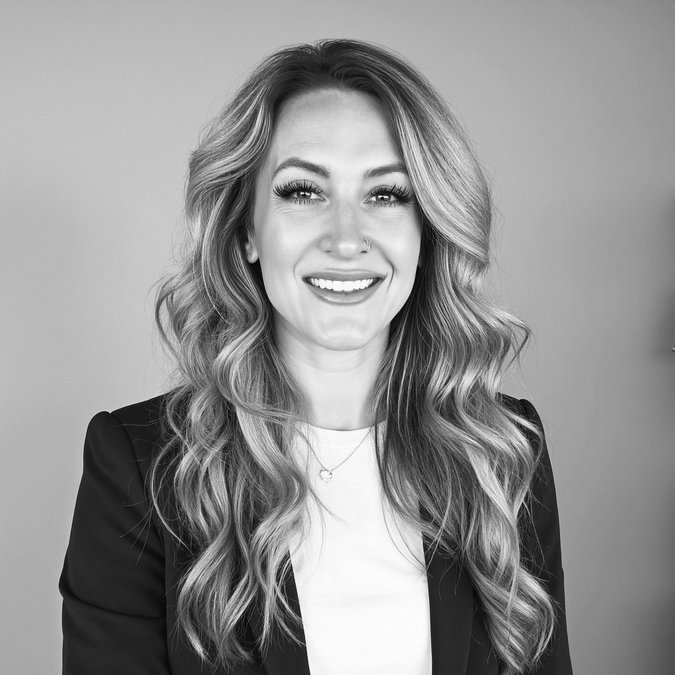
Kasey Dalke is CEO of Children’s Advocacy Centers of Kansas.