How did you spend your extra hour Sunday?
I used mine to enjoy the fall weather, catch up on chores at home and watch the Chiefs play. With my mind in time-shift mode, I’d like to share a few random thoughts as we dive into November.
We are truly into fall now, with Halloween and Daylight Saving Time behind us and the election just about to wrap up.
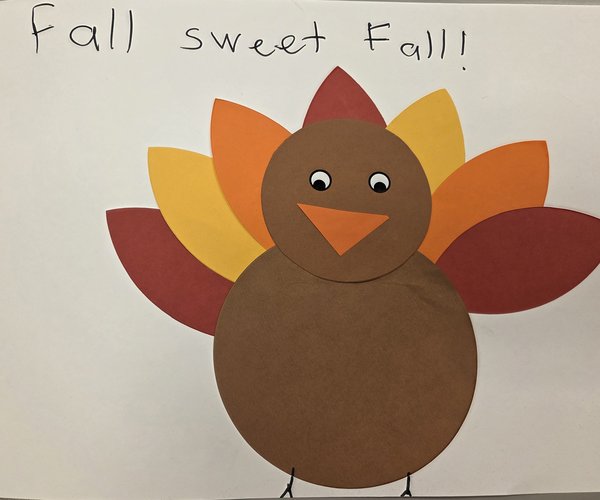
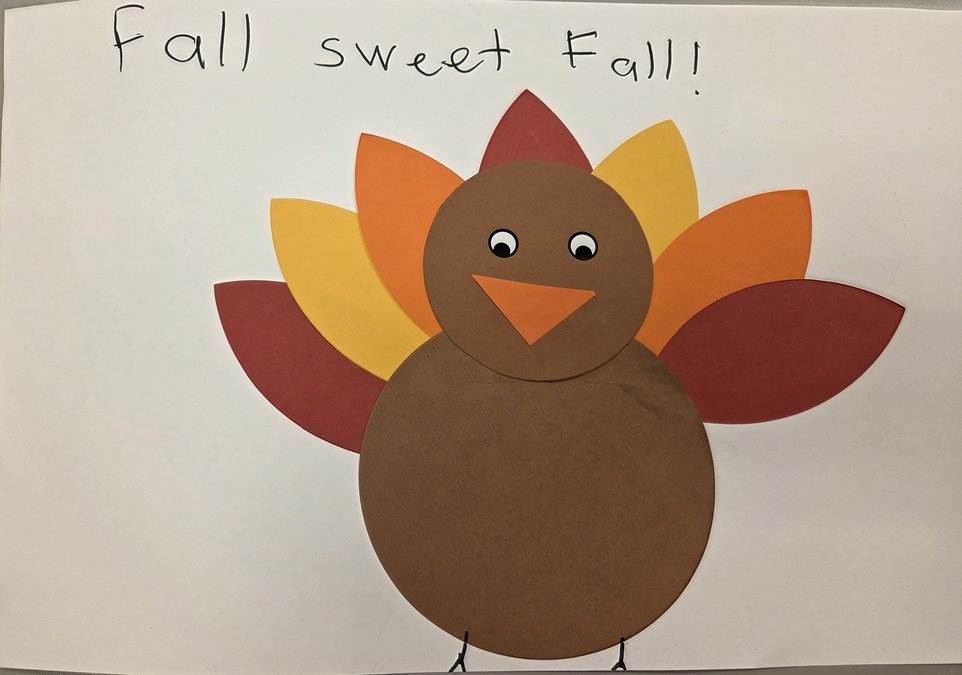
The artwork on this page was created by a student at Riley Elementary School. It was one of the placemats provided at last week’s USD 428 Board of Education meeting, which took place at noon and included lunch. Principal Lisa Starr said students make placemats as community service projects, and many are delivered to area nursing homes.
A different school hosts the noon meeting each month, and its principal and staff highlight academic improvement projects and other news from their building. Naturally, a student or two gets called on to present. This month it was Axel, a fourth-grader who read his recent writing project. I was interested to learn that before he typed his report, he wrote it in cursive.
Some people say students aren’t taught cursive anymore, but apparently that’s not true. A first-grade teacher from another state recently told me her students want to start writing in cursive right away because they think it’s “grown-up,” or at least what the bigger kids do. She doesn’t teach it yet, though, because there’s a right way and a wrong way to learn. Children typically learn cursive in third grade, though some start as early as second, and are expected to write legibly as they build their penmanship in fourth and fifth grade.
Cursive was nearly dead after the Common Core State Standards arrived around 2010. The Kansas State Board of Education was one of the few that worked to keep it alive, even as kids learned keyboarding. That official “comeback” is more than a decade old now, and cursive is back in about half of the states. Historians and archivists remain concerned, however, that original letters, journals and historical documents may someday require digital transcription or specially trained experts to decipher.
Here’s something else new at Riley Elementary: the first-grade teachers have started an honor roll system. “They sent home a letter at the beginning of the school year, and at the beginning of each quarter, to let the parents know what the kids are going to be working on,” Starr said. “Then they have a checklist that they go through.” That gives parents a better idea of what students should be able to do at this stage of first grade.
The honor roll takes the form of stars on the hallway walls. Students who master two or three skills earn a bronze star, four or five skills earn silver, and six or more earn a gold star with their name on it. It happens every quarter.
“One of (the teachers’) celebrations was that every single first-grade student has a star up on the wall, so that was exciting,” Starr said.
Those are some of the things I learned at a school board meeting.
As my thoughts shift back to Daylight Saving Time, I’ll admit I’m happy to “fall back.” President Harry S. Truman reportedly called DST “a monstrosity in timekeeping,” and it remains controversial, with some folks wanting to observe it year-round and others ready to eliminate it.
However the clocks are set, fall is my favorite time of year. Poet Jane Hirshfield’s “The Heat of Autumn” contrasts the heat of summer with that of autumn, which she suggests does something quite different to apples than the heat of summer does. “One ripens apples, the other turns them to cider.”
With that in mind, I’m ready to pour a hot cider and pull out some old family letters. I can still enjoy reading them, cursive and all.
Susan Thacker is a managing editor at the Great Bend Tribune. Contact her at sthacker@gbtribune.com.