As the popularity of flushable wipes grows, the City of Great Bend Public Utilities Department reminds residents that most brands do not meet the strict industry guidelines established by the International Water Service Flushability Group (IWSFG). These wipes should never enter the sanitary sewer system and only human waste and toilet paper should be flushed.
Unlike toilet paper, flushable wipes do not break down quickly enough in the sewer system. Instead, they remain intact and collect in sewer mains, service lines, lift stations and pumps, creating severe blockages and causing mechanical damage.
These wipes often combine grease, paper products and other debris to form large obstructions that restrict flow and lead to sanitary sewer backups. In some cases, this results in wastewater receding into homes, businesses or neighboring properties.
Flushable wipes also cause significant harm to pumps and lift station equipment by wrapping around impellers, clogging pump inlets and forcing emergency maintenance repairs. Such damage increases operational costs, emergency callouts and repair expenses that impact the entire utility system.
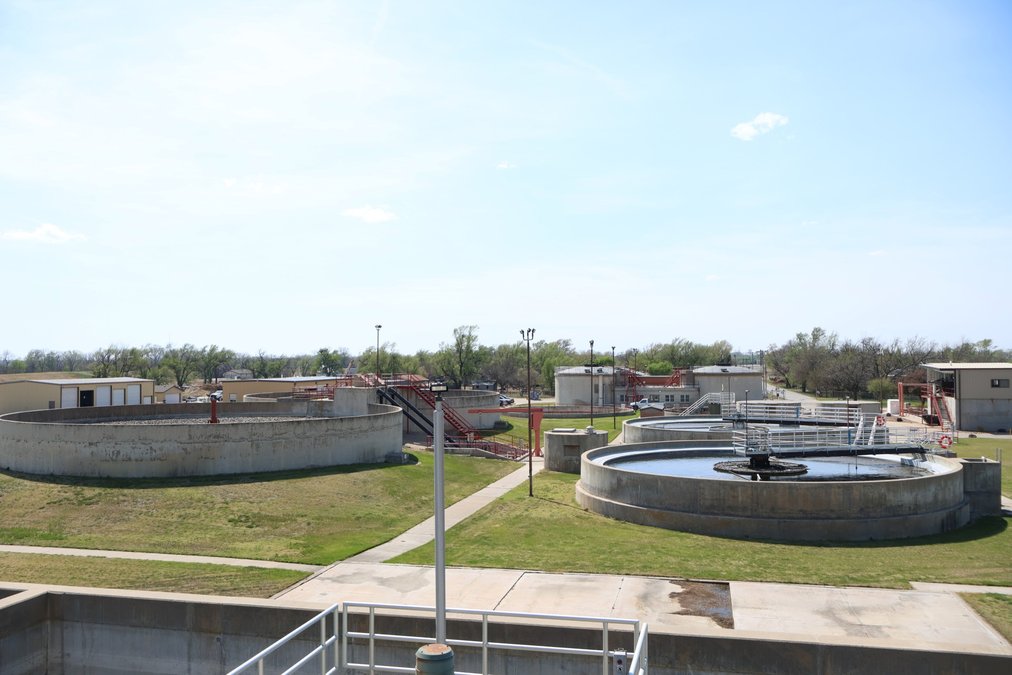
Public Utilities crews routinely remove wipes and other non-biodegradable materials from the wastewater collection system and treatment facilities, placing additional strain on equipment designed to manage wastewater.
All wipes – including baby wipes, disinfecting wipes, paper towels, cleaning cloths and personal hygiene wipes – should be disposed of in the trash. Keeping these items out of the sewer system help protect public infrastructure, prevent costly repairs and reduce the risk of sewer backups into homes and neighborhoods.
For questions, contact the City of Great Bend Public Utilities Department at 620-793-4170.