During extreme summer heat, our natural reaction is often to give our lawns and trees more water.
When grass begins to wilt, turn gray green, or remain flattened after we walk across it, it appears to be asking for help. When tree leaves develop brown edges, begin to curl, or drop earlier than expected, we may assume the tree is suffering from drought.
Sometimes that assumption is correct.
But sometimes adding more water can make the problem worse.
Cool-season lawns commonly show signs of stress during the hottest part of the day, especially when temperatures approach or exceed 100 degrees. The grass blades may fold inward to conserve moisture, lose some of their normal color, or temporarily remain pressed down after being walked upon. These symptoms can appear even when there is still adequate moisture beneath the soil surface.
Before adding an additional deep irrigation cycle, be sure to check the soil first.
Push a screwdriver or soil probe several inches into the ground. If the soil is dry and difficult to penetrate, additional irrigation may be necessary. If the soil is already moist, another long watering cycle may create an entirely different problem.
There is an important difference between watering the soil and cooling the grass.
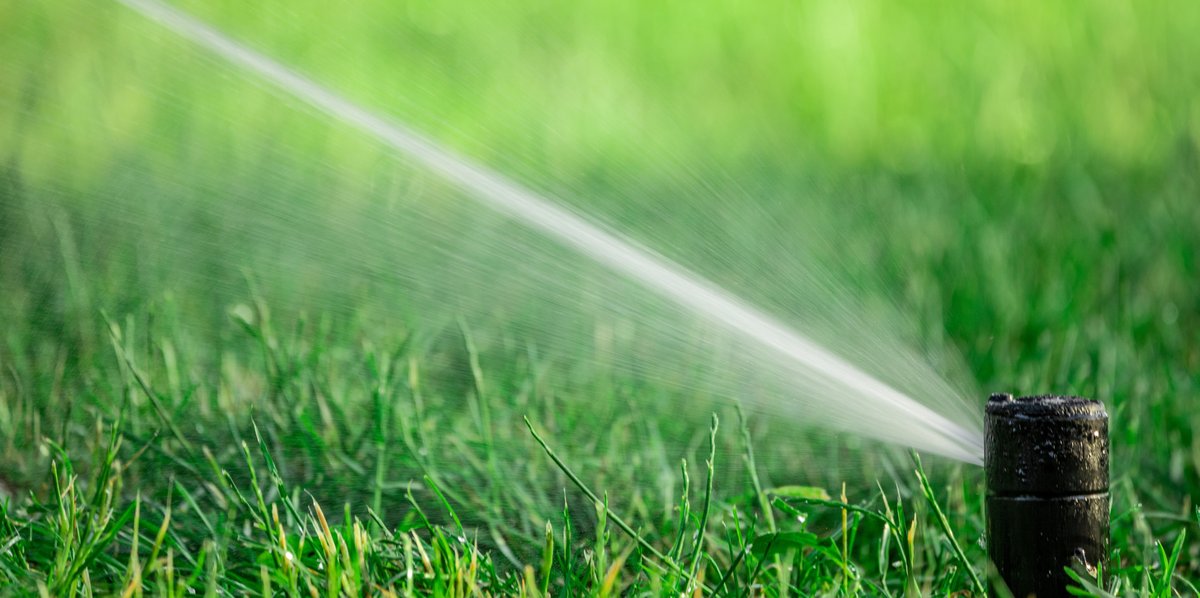
Deep irrigation is intended to replenish moisture within the root zone. A practice known as syringing is intended to temporarily cool the grass blades. Syringing uses a short daytime irrigation cycle to lightly wet the grass canopy without deeply soaking the soil. As that water evaporates, it can temporarily lower the temperature of the turf and reduce some of the immediate stress caused by sunlight, heat, and wind.
Syringing should not replace the deep irrigation your lawn and trees need. It can, however, replace the unnecessary watering cycles people often add simply because the grass looks tired during the afternoon.
That distinction becomes especially important in Central Kansas, where many of our soils contain a significant amount of clay.
Clay soil can hold a tremendous amount of water, but it often drains slowly. When the soil remains saturated, the spaces that would normally contain oxygen become filled with water. Plant roots need both water and oxygen to remain healthy and functional.
Your lawn and trees often share the same soil.
Every additional irrigation cycle intended for the grass also affects the tree roots growing beneath and around it. The lawn may look temporarily better after being watered, while the tree roots are quietly struggling in soil that has remained wet for too long.
This can create a confusing situation. A tree growing in saturated soil may display symptoms that look very similar to drought. Leaves may wilt, become yellow, develop brown edges, or fall prematurely. The canopy may begin thinning, and the tree may appear unable to tolerate the heat.
The problem may not be that water is unavailable. The problem may be that the roots do not have enough oxygen to absorb and move the available water effectively.
Trees move water from the roots, through the trunk and branches, and eventually into the leaves. Some of that moisture is released through tiny openings in the leaves, helping the tree transport nutrients and regulate leaf temperature.
When saturated soil restricts root function, the leaves may continue losing moisture to the hot, dry air faster than the weakened root system can replace it. The tree can appear thirsty even though it is surrounded by wet soil.
This does not mean every scorched tree is being overwatered. Leaf scorch can also result from drought, extreme heat, wind, soil compaction, damaged roots, vascular problems, or several stresses occurring at the same time.
Scorch is a symptom. It is not a diagnosis.
During periods when daytime temperatures exceed 90 degrees, a brief syringing cycle may be used daily to cool the grass canopy, particularly when the lawn begins showing visible signs of heat stress. Syringing is generally most effective between 11:00 AM and 3:00 PM. Rotor zones may run for approximately five to ten minutes, Maxi Paw zones for ten to twelve minutes, and spray zones for three to five minutes.
These times are only starting points. The goal is to lightly wet the grass blades without creating runoff or deeply soaking the soil. During severe heat, a second light cycle may be helpful after the water from the first cycle has completely evaporated. Avoid allowing the grass to remain wet late in the afternoon or into the evening.
The healthiest landscapes are rarely created by reacting to every visible symptom. They are created through observation, patience, and intentional care.
Water the soil when the roots need moisture. Cool the grass when the canopy needs relief. Allow enough time between deep watering cycles for oxygen to return to the soil.
Most importantly, check what is happening beneath the surface before assuming that more is always the answer.
A Practice to Cultivate
The next time your lawn or trees appear stressed during the afternoon, pause before increasing the irrigation schedule.
Check the soil several inches below the surface. Consider the recent weather, wind, and watering history. Look beyond the symptom before choosing the solution.
In our landscapes, as in many areas of life, the desire to do more often comes from a sincere desire to help. But sometimes the healthiest response is not to add more.
Sometimes it is to pay closer attention to what is already there.
‘Well Rooted’ is a new column to the Great Bend Tribune written by Jeremy Elliott. Elliott owns a lawncare business and lives in the Great Bend area.