For those struggling financially, short-term relief can rescue them from a crisis.
But CORE Communities of Barton County thinks outside of that box.
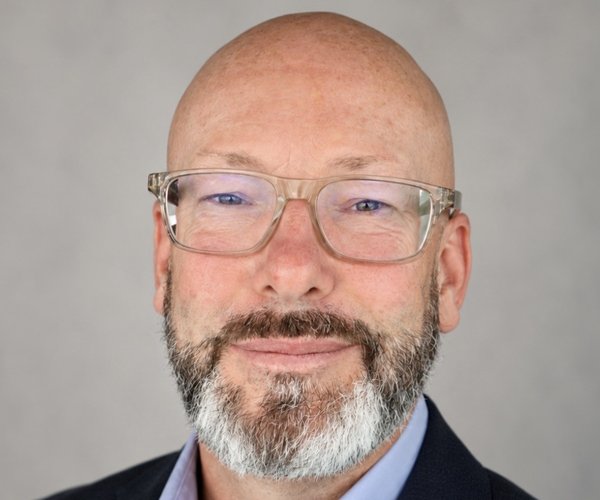
While those short-term fixes can be important, Community Liaison for Barton and Pawnee County CORE Jan Perez, says rather than strictly relying on short-term relief, they want to take the initiative to focus on long-term personal growth.
“New concepts, new ideas, and places to grow,” Perez says is what they focus on. “We want to give them a hand up as they walk out of poverty and see there is hope. There is a way to change their lives and not just keep living in the toxic stress of poverty and continue to do what every generation before them had done.”
But for the participants getting into CORE, it is an investment. A couple different phases are the backbone of CORE.
Phase one consists of a 20-24 week class, depending on how deep the conversation goes around each module.
“Getting Ahead in a Just-Gettin’ By-world” is the curriculum used. It consists of 11 different resources.
“In CORE we don’t just teach finance,” Perez said. “We teach that poverty is anywhere a person lacks resources.”
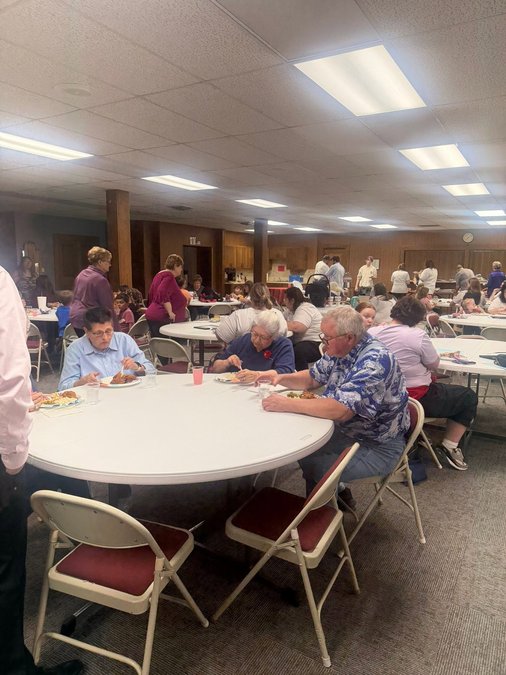
The CORE leaders, as the participants are referred to by CORE, meet weekly on Monday nights at the First United Methodist Church.
“One of the things we really do to help with safety is provide dinner before every class and sit down family style to eat with them and their children all sit together,” Perez said. “No one goes to class hungry.
“We provide free childcare in the building when we are finished with dinner. They go with providers to do some activities while adults go to learn. It makes for a safe caring environment for everybody.”
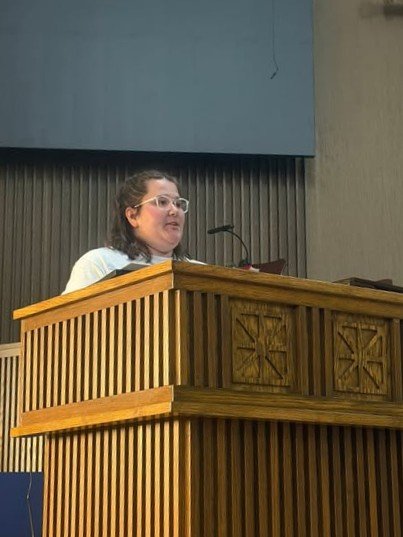
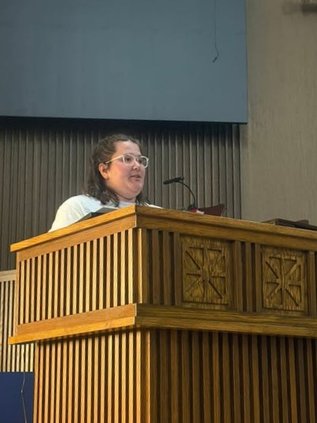
Individuals and families build on all 11 resources of the program.
They are financial, emotional, mental, spiritual, physical, language, social capital, integrity and trust, relationships/role models, knowledge of middle class rules, motivation and persistence.
“Each module touches on each one of those different resources,” Perez said. “They are all captivating to them. It all touches on generational poverty and the things that keep them stuck.
“The language isn’t Spanish or English. It’s about how people speak and learn to use language in different settings. Different language concepts. Discourse patterns. Can they go from casual among friends to how they would speak in a job interview or a board room or at a parent-teacher conference.”
Once graduation from Phase 1 is complete, it takes 3-5 years for an individual to walk completely out of poverty.
At that point they are ready for Phase 2, but not before getting recognized for their success in a graduation ceremony.
“When graduating we make sure we make it a big deal,” Perez said. “The regular pastor of the church speaks, says a prayer. A couple of people in class talk about how it changes their lives.
“A graduation certificate with members of advisory counsel, members of the community and members of family all there. We want it to be a big deal. It might be the only graduation some of them ever have.”
Another incentive to attend the classes is a $200 stipend to those that miss four or fewer classes.
In the middle of Phase 1 they do what is called a community assessment.
“All of the CORE leaders (participants) sit down and do a survey that has questions on it about different things Barton County has as far as needs and wants,” Perez said. “Those are things in child care, health care, housing, different areas of the community. They go through the survey and answer the questions as to whether they think true, false, or don’t know.
“If they mark it true all must agree we have this. If they disagree then they mark as they aren’t sure. If all agreeable the county doesn’t have it is marked as false.”
Then community leaders are brought in from different sectors and come to the table to answer questions from the survey. The CORE leader tells them what they, as a group, felt like. Someone with knowledge would go into more detail as to why it is that way.
It brings together those experiencing poverty with members of the community who can help solve the issues.
Following the graduation, Phase 2 begins as leaders are paired with a CORE friend. Someone from middle to upper income. They meet one night a month for 18 months to help students working their way out of poverty.
“CORE friends come on that first Monday and sit down and get to know each other,” Perez said. “They work on smart goals together. It helps to have a friend who is there cheering them on. Just being there for them. We find middle class friends learn as much as our individuals who are working their way out of poverty and build that connection in the community and understanding.”
It is the belief that the only way to solve a problem is to sit with those who can help solve it. Managers, bosses, social workers, those who understand about saving and about all the different things about getting ahead in life.
As Phase 2 progresses, CORE provides additional curriculum to them separate from what they learned in phase 1.
“It varies,” Perez said. “We bring in people from banking to improve credit scores, teach them how to maintain a banking account, or obtain a mortgage. We want them to understand the importance of health insurance, car insurance, and life insurance. They all help change the structure of their life and community.”
Phase 2 lasts as long as it needs to be. They are with a friend for 18 months but if they feel like they want to stay with them they can go into a community of support where they continue coming to class and are a community of support for CORE leaders.
The Program is set to launch in Pawnee County in 2027.
“Everyone in these classes come in as strangers but by the end of class they are like a family,” Perez said. “They realize there are people just like them going through the same things they have experienced. They come to a place of safety and love and non-judgement and learn to unpack the trauma they have been through and are struggling with.”