There is a common saying in public health: “Everything is public health.” That is because public health touches nearly every aspect of our daily lives. It is the clean water we drink, the air we breathe, the safety of the food we eat and the environments where we live, work, learn and play. These conditions do not happen by accident; they are shaped by policies, systems and collective investments. Much like public education, public health reflects a shared commitment to creating the conditions where all people have the opportunity to thrive.
Public health is your local school nurse caring for children, your extension agent helping families and farmers, your WIC dietitian supporting healthy pregnancies and babies and your food inspector ensuring meals are safe to eat. Public health is as dynamic as the communities it serves. As communities change, public health must adapt to meet new challenges, respond to emerging threats and address evolving needs.
Yet we are facing a troubling reality. For the first time in generations, today’s children are not on track to live as long as their parents. One reason for this is that public investment in health has not kept pace with the growing challenges facing our communities. We have seen significant disinvestment in public health infrastructure, prevention programs and community-based services. These decisions have consequences. When we underinvest in public health, we increase the risk of chronic disease, infectious disease outbreaks, preventable deaths, higher health care costs and reduced quality of life.
In South Dakota, nonprofit organizations, faith communities, health systems and private businesses often step in to fill gaps and support community well-being. Their contributions are essential. However, preparing for large-scale challenges such as natural disasters, emerging infectious diseases and public health emergencies requires coordinated local, state and federal systems. The COVID-19 pandemic reminded us that diseases do not recognize city, county, state or national borders. Maintaining strong public health infrastructure requires ongoing investment so communities can respond quickly and effectively when threats emerge.
Public health works best when science and community experience inform one another. The most effective solutions are rarely simple, and they are seldom captured in a single headline or sound bite. They emerge when community members, health professionals, policymakers, businesses and local leaders work together to understand problems and develop practical, evidence-based solutions.
The South Dakota Public Health Association (SDPHA) serves as a trusted source of public health information, and our role goes beyond sharing data and research. We want to help elevate the stories, challenges and successes happening in communities across South Dakota.
Is your community struggling to access healthy food? Are you concerned about air quality, housing, transportation or other factors affecting health? Have local residents come together to solve a problem in an innovative way? Policy makers and community leaders want to hear those stories.
Public health is strongest when it reflects the experiences of the people it serves. Now is the time to share your stories of challenges and successes in your communities. SDPHA can help amplify community voices, share promising solutions and connect local experiences to state and local decision-makers.
Together, we can build healthier, stronger and more resilient communities. We invite you to share your challenges, successes and ideas so that we can learn from one another and create solutions that work for all South Dakotans.
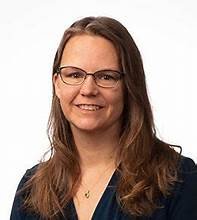
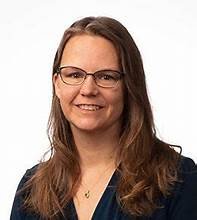
Richard P. Holm, MD passed away in March 2020 after a battle with pancreatic cancer. He is founder of The Prairie Doc®. For free and easy access to the entire Prairie Doc library, visit www.prairiedoc.org and follow Prairie Doc on Facebook. Jennifer Folliard, MPH, RDN, is the founder and principal consultant at Health + Nutrition First and lead of the rapid response team for South Dakota Public Health Association. DenYelle Baete Kenyon, Ph.D., holds several positions, including legislative chair of the South Dakota Public Health Association; University of South Dakota associate dean of Community Health & Engagement and Master of Public Health Program director; and professor of pediatrics at the Sanford School of Medicine.