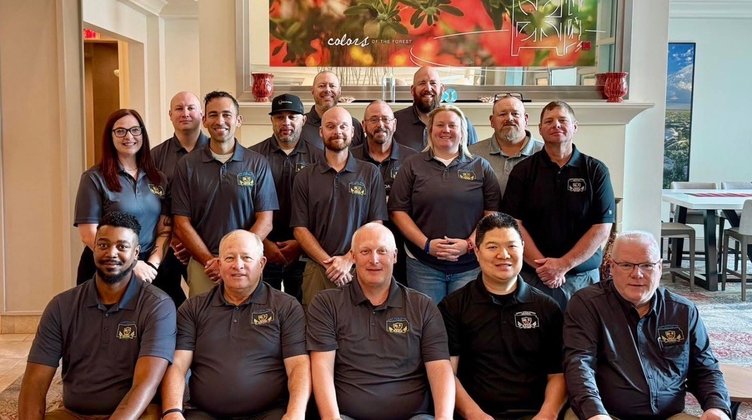
Ryan Lichter has attended the same annual training session for about a dozen years because he expects to learn valuable information for him and his colleagues at Juvenile Services (JS).
His expectations were met again this year.
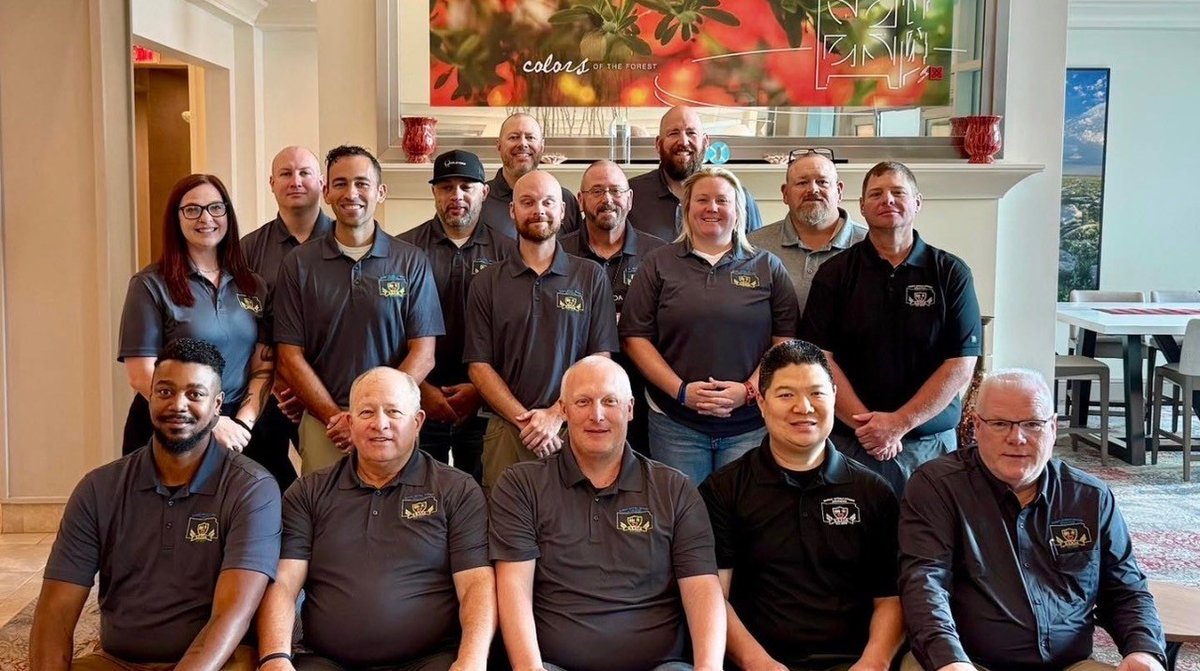
As assistant director of JS, Lichter attended a three-day session at Manhattan, sponsored by the Kansas Juvenile Officers Association (KSJOA.) Lichter is in his third year as liaison to the association’s executive board.
“This has always been an attractive event because we learn from law-enforcement officers, while discovering new ideas about leadership and networking with professionals from throughout Kansas.
“Equally important, the mental-health discussions with first responders were especially enlightening for those of us who support them through traumatic experiences.”
The group also heard updates on juvenile-justice laws, such as House Bill 2329 that went into effect July 1. This legislation leads to stiffer penalties, expansion of youth detention time and revisions to placement criteria for juvenile offenders.
“We have been talking about this new law in-house for quite some time,” Lichter noted. “But it was good to hear a variety of perspectives at the training session.”
Other topics included: best techniques for team building; strategies for becoming a better leader and communicator; threat assessment and violence prevention in schools; and the Stepping Up program that focuses on juvenile behavioral health.
“Sadly, we were not surprised to hear from law-enforcement officers that fentanyl remains a major problem throughout the state,” Lichter commented. “This is just one of many reasons networking at KSJOA meetings is so important.
“In some juvenile cases, we coordinate with officers in other jurisdictions. It is helpful when we have at least met with these officers in the past.”
Mike Daniel, JS assistant director, and Paulina Martinez, case manager, also attended the training.
Mental health
“The mental-health part of this training was especially important,” Lichter said. “The well-being and resilience of officers involved in traumatic events are always concerning. We talked about how to deal with these traumas inside and outside the office.”
For example, it is not uncommon for officers to go into a home to place children in protective custody.
“There could be a newborn baby under the influence of drugs living in unstable and unsanitary conditions,” Lichter explained. “The parents don’t necessarily want us there and the situation can become volatile. This can be very stressful and traumatic for our staff and we all handle this trauma differently.”
Mental health also plays a big role in other aspects of the officers’ jobs, including leadership in the office and in the field. “This session provided a lot of insight because the speaker was a retired U.S. Army general,” Lichter said. “His role in the Army defines leadership.”
The KSJOA board consists of certified law-enforcement officers. In his role as liaison, Lichter shares his perspective with them.
“The board members like hearing from a civilian who works in the juvenile-justice system,” he said. “They want to hear about any big changes that are coming and any new trends. These lines of communication are essential to all of us who care about young people.”
20th Judicial District Juvenile Services empowers youth in Barton, Rice, Ellsworth, Stafford and Russell counties to achieve positive outcomes by offering Juvenile Intake & Assessment, Immediate Intervention, Intensive Supervised Probation, Case Management, Journey to Change, Life Skills, All Stars and Youth Crew. Parents and guardians also are offered The Parent Project. Visit 1800 12th in Great Bend or call 620-793-1930.